Iconic but bad: 8 low-rated movies that became pop culture
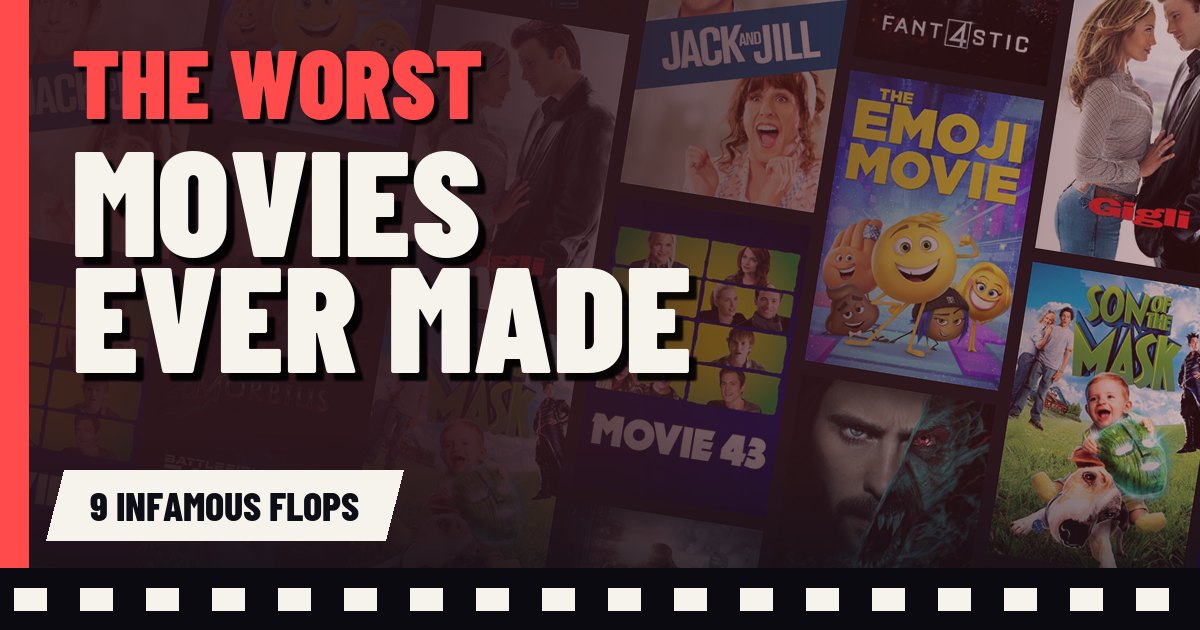
Eight movies with low ratings that became part of pop culture, from Mommie Dearest, Howard the Duck and Showgirls to The Room, Catwoman, Twilight, Fifty Shades of Grey and Cats.

Some films were panned and still never left the conversation. This list gathers eight low-rated movies that became icons of pop culture, in release order, with posters and the directors.
Under each poster you will find the line, the scene or the scandal that kept the film alive. Several of them won the Golden Raspberry for Worst Picture, and all of them are more fun to talk about than many good movies.
How a flop becomes a classic
Bad reviews usually end a film's life. These movies took a different path. Some became camp, loved for being excessive and sincere at the same time. Some gave the world a line that never stopped being quoted. Others had fans so devoted that the critics simply did not matter.
The internet helped too. A strange scene, a bizarre visual effect or an awkward line can circulate for decades as a meme, and every new generation discovers the film all over again, usually to laugh, sometimes to defend it.
These films also show that "bad" is not always the same thing. Some failed as drama but succeeded as comedy, some pleased fans while upsetting critics, and some were simply too strange for their time. Looking at them closely is a good way to understand how taste, marketing and fandom shape what we remember.
How we chose
We chose films with poor critical reception that gained fame through memes, quotes, midnight screenings, fandoms or box office. This is not a numbered ranking, and it is meant with affection for the people who made them.
We selected films that received poor reviews or famous awards for bad filmmaking, but that are still discussed, quoted or watched years later. Popularity alone was not enough: each film had to leave a clear mark on pop culture.
Some of them were also commercial successes, which shows that critics and audiences do not always agree. We tried to be fair, pointing out what each film does well as well as what made it a target of jokes.
Mommie Dearest (1981)
Directed by Frank Perry.
Why it is iconic: Faye Dunaway plays Joan Crawford in this adaptation of the memoir by Crawford's daughter, Christina. Her intense performance and the line "No wire hangers, ever!" turned a serious drama into a camp classic. It won the Golden Raspberry for Worst Picture, and the studio later promoted it as if it were a comedy.

The film recreates Hollywood glamour with great care, from costumes to houses, which makes the explosive scenes even more striking. Dunaway's transformation into Crawford, with heavy eyebrows and a fierce expression, became one of the most imitated looks in camp culture.
Today Mommie Dearest is screened at parties and festivals where audiences repeat the lines. It is fascinating as a document of how a serious film can be reinterpreted by its audience, though the real story behind it is painful.
Howard the Duck (1986)
Directed by Willard Huyck.
Why it is iconic: Produced by George Lucas and based on the Marvel Comics character, it puts a talking duck from another planet in Cleveland. It was a famous flop and won several Golden Raspberry awards, including a share of Worst Picture. Howard later got a cameo in Guardians of the Galaxy, a wink to fans who never forgot him.

The film mixes comedy, science fiction and action, with a final act full of special effects and a monster from another dimension. The duck costume, worn by different performers, became the main target of criticism and jokes.
Howard the Duck is now seen with curiosity by Marvel fans, as a strange early chapter of the studio's history on screen. It is light and nostalgic, ideal for viewers who enjoy 1980s adventure films.
Showgirls (1995)
Directed by Paul Verhoeven.
Why it is iconic: The director and writer of Basic Instinct reunited for this story of a dancer in Las Vegas. Released with the adult rating NC-17, it was destroyed by critics and won a record number of Golden Raspberry awards at the time. Verhoeven accepted his in person, and the film was later reappraised and became a midnight screening favorite.

The film shows the backstage world of Las Vegas shows with exaggerated drama, intense rivalries and dialogue that many viewers found unintentionally funny. Elizabeth Berkley's energetic performance became the center of the debate around the film.
Over time, some critics began to defend Showgirls as a deliberate satire of American excess, and the film gained a documentary about its reappraisal. It is for adult audiences only, and is best watched as part of that debate.
The Room (2003)
Directed by Tommy Wiseau.
Why it is iconic: Tommy Wiseau wrote, directed, produced and starred in this melodrama about a love triangle. Lines like "Oh, hi Mark" and "You're tearing me apart, Lisa!" made it the most famous midnight movie of the century, with fans throwing plastic spoons at the screen. The story of its production became the book and the film The Disaster Artist.

The film has scenes that seem to have no connection to each other, characters who appear and disappear and subplots that are never resolved. Framed photos of spoons in the apartment inspired one of the most famous fan rituals in cinema.
The Room is the ultimate group viewing film, and its screenings are interactive events. If you have never seen it, try to watch it with experienced fans: the experience is very different from watching it alone.
Catwoman (2004)
Directed by Pitof.
Why it is iconic: Halle Berry plays Patience Phillips, a new Catwoman with no connection to Selina Kyle from the comics. The film was panned, and Berry showed up in person to accept her Golden Raspberry for Worst Actress, holding the Oscar she had won a few years earlier, in one of the most famous speeches in the history of the award.

The film gives the character powers linked to cats, ancient cults and a cosmetics company villain, played by Sharon Stone. The action scenes and the costume became the most criticized elements, along with the basketball scene.
Catwoman is remembered mostly for Halle Berry's gracious reaction to the criticism. It is a curious film for fans of superhero history, and shows how much the genre changed in the years that followed.
Twilight (2008)
Directed by Catherine Hardwicke.
Why it is iconic: Critics were divided, but the adaptation of Stephenie Meyer's novel was a box office phenomenon and started a five-film saga. The "Team Edward or Team Jacob" debate, the sparkling vampire skin and lines like "spider monkey" became internet classics, and Kristen Stewart and Robert Pattinson went on to acclaimed careers.

The film has a bluish, rainy look that became a visual signature of the saga, and a soundtrack that was very popular with teenagers. The baseball game among vampires, set to rock music, is one of the most remembered scenes.
Twilight is now watched with affection by those who were teenagers at the time, often with a mix of nostalgia and humor. It is the most popular film on this list and the one with the most passionate fan base.
Fifty Shades of Grey (2015)
Directed by Sam Taylor-Johnson.
Why it is iconic: E. L. James's novel began as fan fiction inspired by Twilight. The film earned more than half a billion dollars worldwide despite poor reviews and shared the Golden Raspberry for Worst Picture. Its dialogue and the awkward chemistry between its leads were endlessly parodied.

The film tries to treat its romance seriously, with elegant settings, slow music and long conversations about contracts. Many viewers found the result more funny than romantic, and the lines became internet jokes.
Fifty Shades of Grey was followed by two sequels that were also box office hits. It is a film for adult audiences, and it is a good example of how a phenomenon can make money even when critics are almost unanimous against it.
Cats (2019)
Directed by Tom Hooper.
Why it is iconic: The adaptation of Andrew Lloyd Webber's musical put a star cast, including Judi Dench, Idris Elba and Taylor Swift, inside digital cat bodies. The first trailer became a meme, the studio sent theaters an updated version with improved effects after release, and it won the Golden Raspberry for Worst Picture.

The film keeps much of the musical's structure, with a series of characters introducing themselves through songs. The digital fur, the human faces and the changes in scale between the cats and the sets created a strange effect for many viewers.
Cats became a cultural event with screenings where audiences dressed up and sang along. It is fascinating for those who like musicals and visual effects, even if only to understand why it went so wrong.
Where to start
Choose the kind of bad you want:
- A group watch with lots of laughs: The Room.
- Pure camp: Mommie Dearest or Showgirls.
- Superhero curiosities: Howard the Duck and Catwoman.
- A musical disaster: Cats.
- Pop culture nostalgia: Twilight, perfect for a rewatch with friends.
If you want to laugh with friends, start with The Room or Cats, which are perfect for group viewing. If you prefer to understand how a film becomes a cult object, Mommie Dearest and Showgirls are the most interesting cases to study.
After watching, look for the stories behind each production, the interviews and the documentaries made about them. In many cases, the making of these films is as fascinating as the films themselves, and helps explain why they never disappeared.
Frequently asked questions
What are movies that are bad but iconic?
Frequently cited are The Room, Showgirls, Mommie Dearest, Cats and Twilight, which are remembered for lines, scenes or fandoms.
Why do bad movies become iconic?
Quotable lines, unintentional humor, devoted fans and shared jokes can keep a film alive long after bad reviews.
Which one should I watch for fun?
The Room is the classic choice for a group viewing, and Showgirls and Cats are popular for the same reason.
What are the Golden Raspberry Awards?
The Golden Raspberry Awards, or Razzies, were created in 1980 by John J. B. Wilson to mock the worst films of each year. They are announced around the time of the Oscars, and a few winners, like Halle Berry and Paul Verhoeven, have accepted them in person with good humor.
Is The Disaster Artist about The Room?
Yes. The Disaster Artist is a book by Greg Sestero, who played Mark, written with Tom Bissell, about the making of The Room. It was adapted into a 2017 film directed by and starring James Franco.
Rate these movies
Which one is your favorite? On Rankiew you can rate every film, write reviews and build your own lists.
Sources: official studio releases, filmographies and public records.